
WHAT IS PCR®
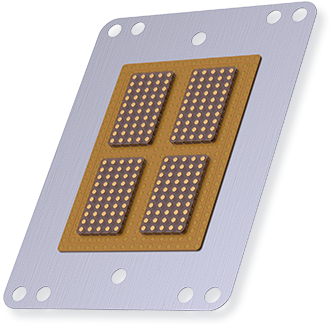
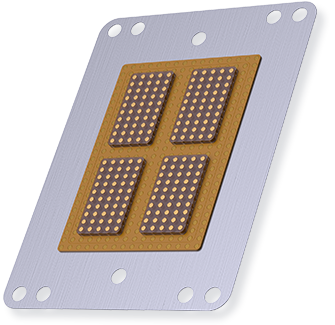
JMT’s Silicone Rubber Sockets support a wide range of semiconductor test environments through customized design, high precision, and excellent flexibility
Principle of PCR®
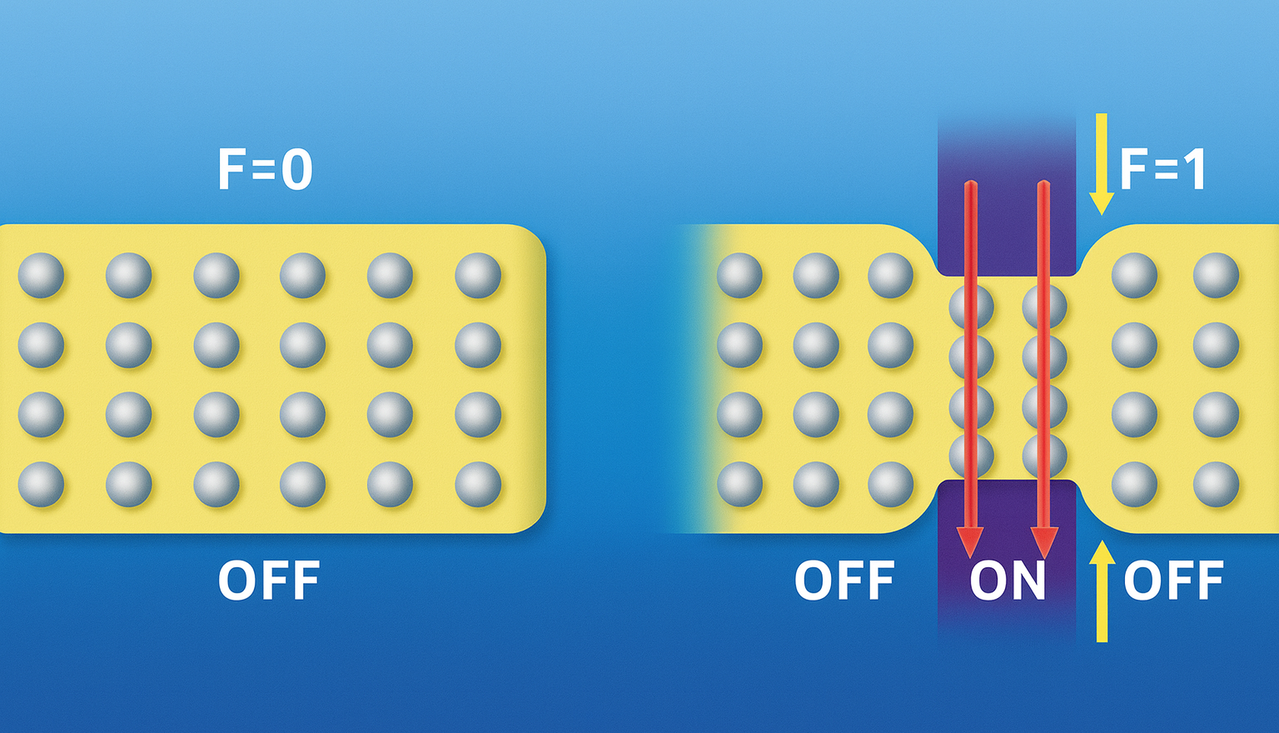
PCR® features a structure in which conductive metal particles are precisely aligned within silicone rubber, providing excellent thermal stability, electrical insulation, and mechanical durability.
When a semiconductor device is placed on the socket equipped with a rubber sheet and pressure is applied by closing the socket, the aligned conductive particles are compressed and make contact with each other, enabling stable electrical conduction.
By accurately aligning the conductive particle regions with the electrodes under test, PCR® achieves enhanced electrical and mechanical performance, ensuring highly reliable electrical testing.


Advantages of PCR®
PCR® sockets are high-performance test solutions designed to precisely verify semiconductor device performance.
Compared to conventional pogo-pin sockets, PCR® minimizes current loss, enables faster signal transmission, and significantly improves test accuracy and reliability.
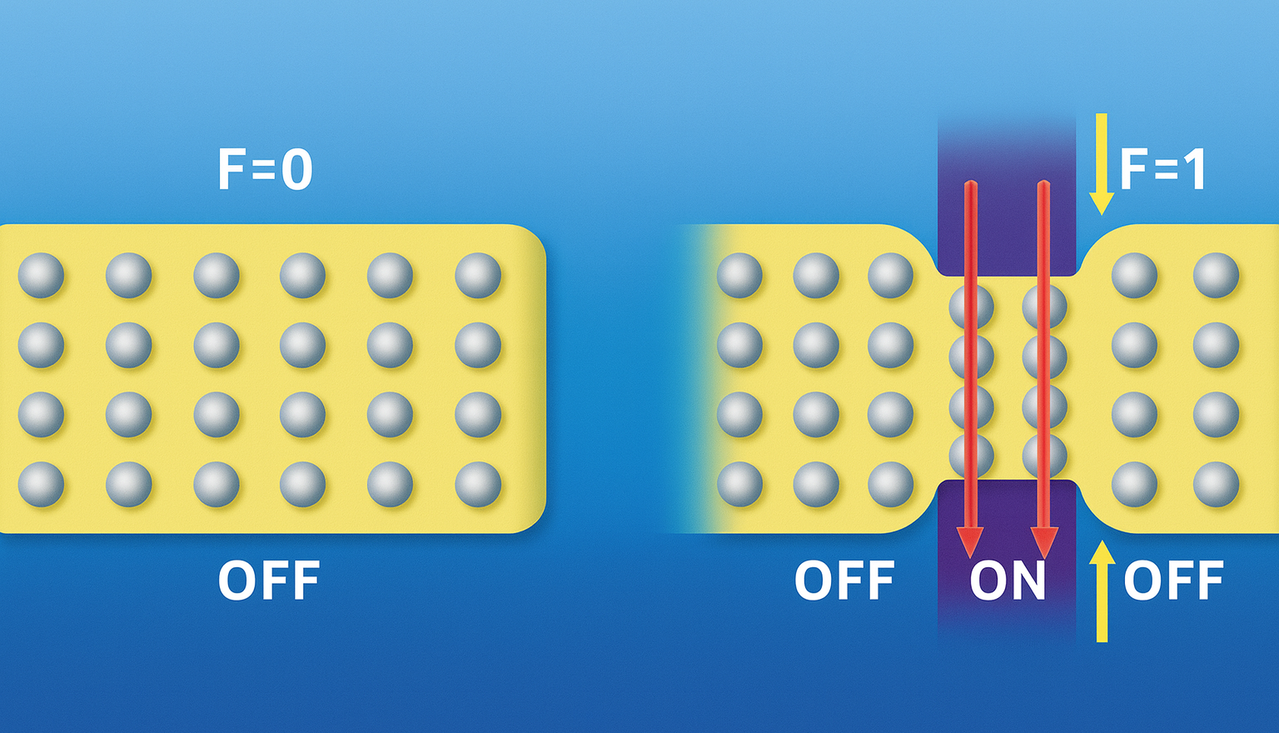 Principle of PCR operation
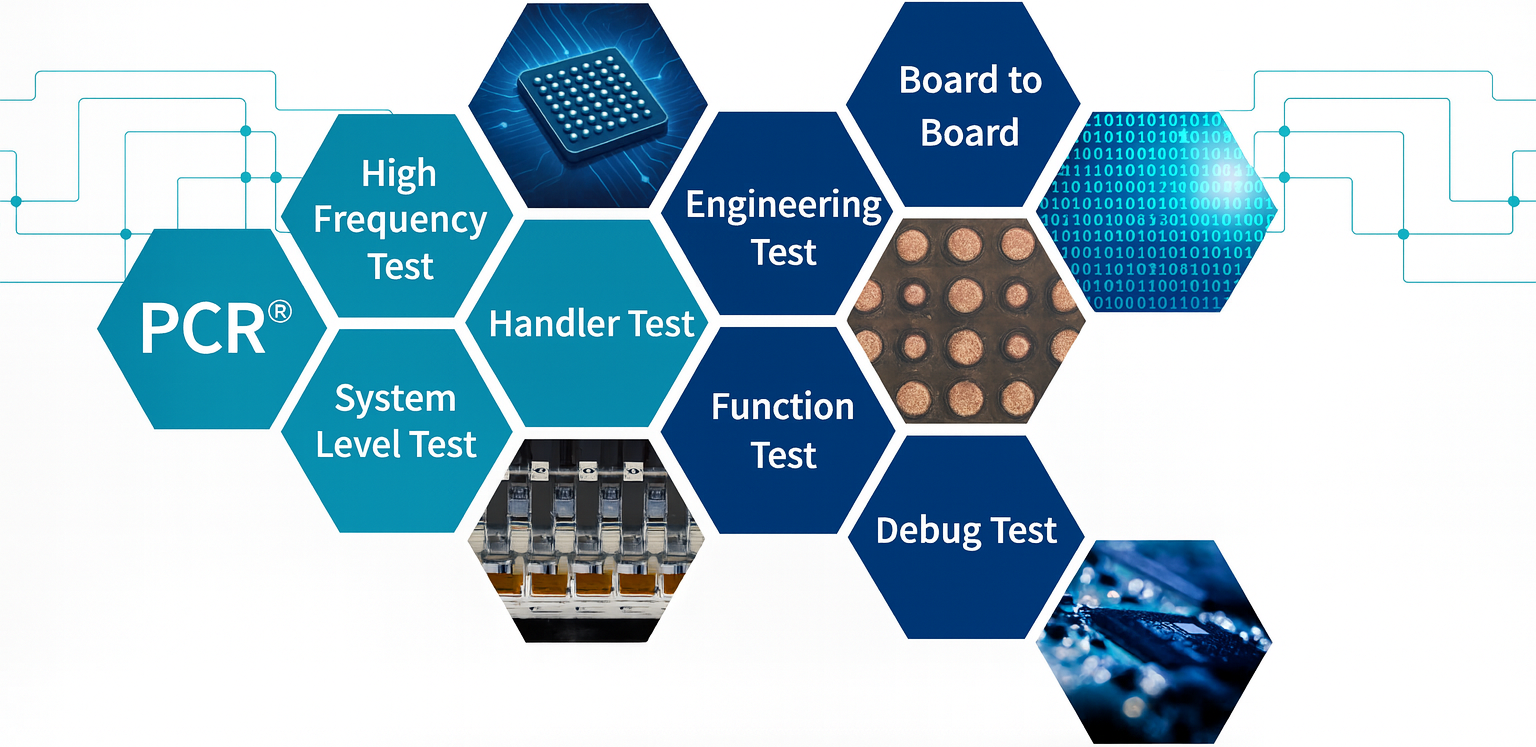
1 Optimized for High-Frequency Testing The short signal path minimizes signal loss, ensuring stable test performance even in high-frequency environments.
|
2 Cost Efficiency With fewer components than pogo-pin sockets, PCR® offers superior cost efficiency for testing high pin-count packages and highly integrated devices.
|
3 Prevents Device Damage The silicone rubber structure minimizes mechanical stress on semiconductor devices, enabling reliable and repeatable testing. 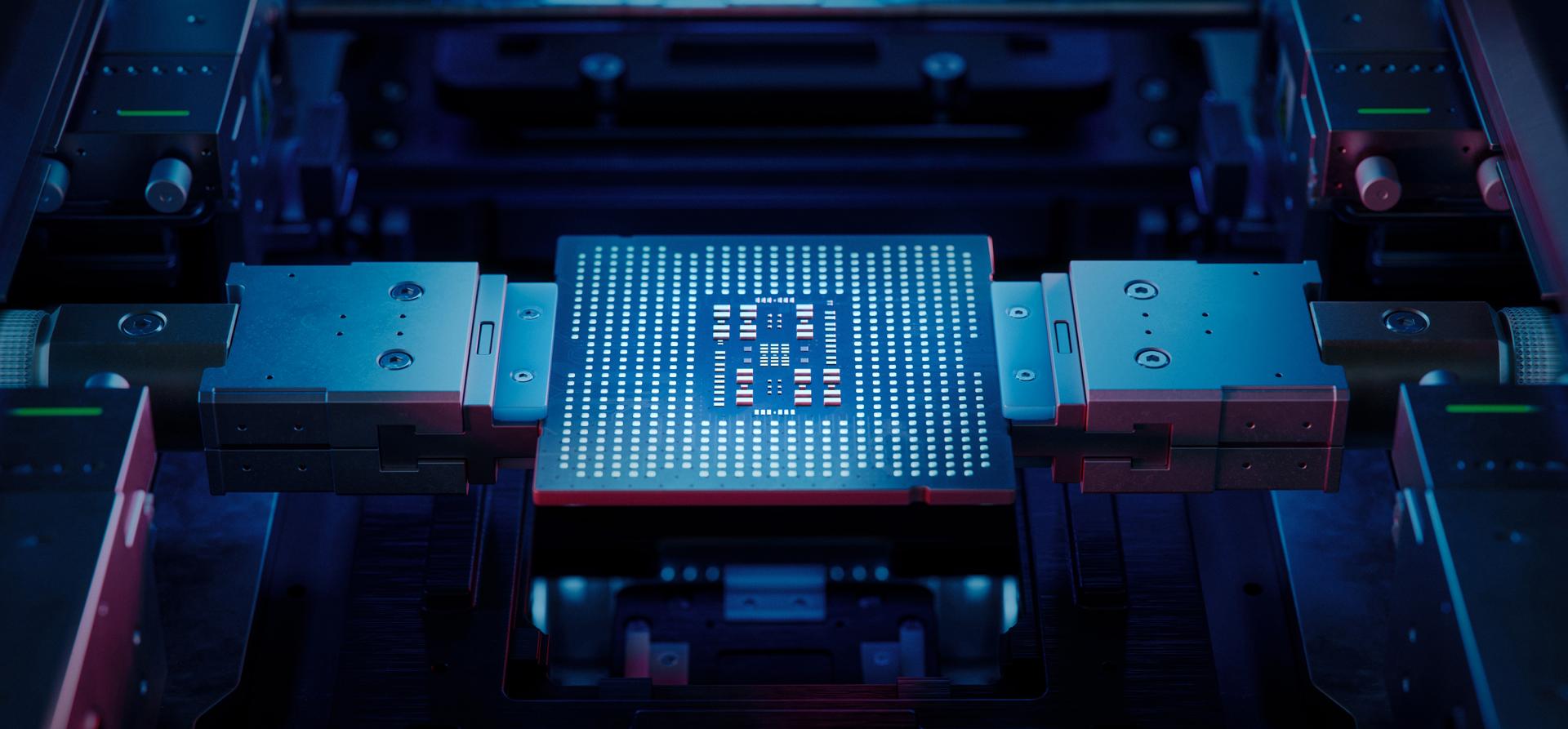 |
4 Stable Contact Performance A wide contact area provides greater positional tolerance, ensuring stable electrical contact despite manufacturing or alignment variations.
|
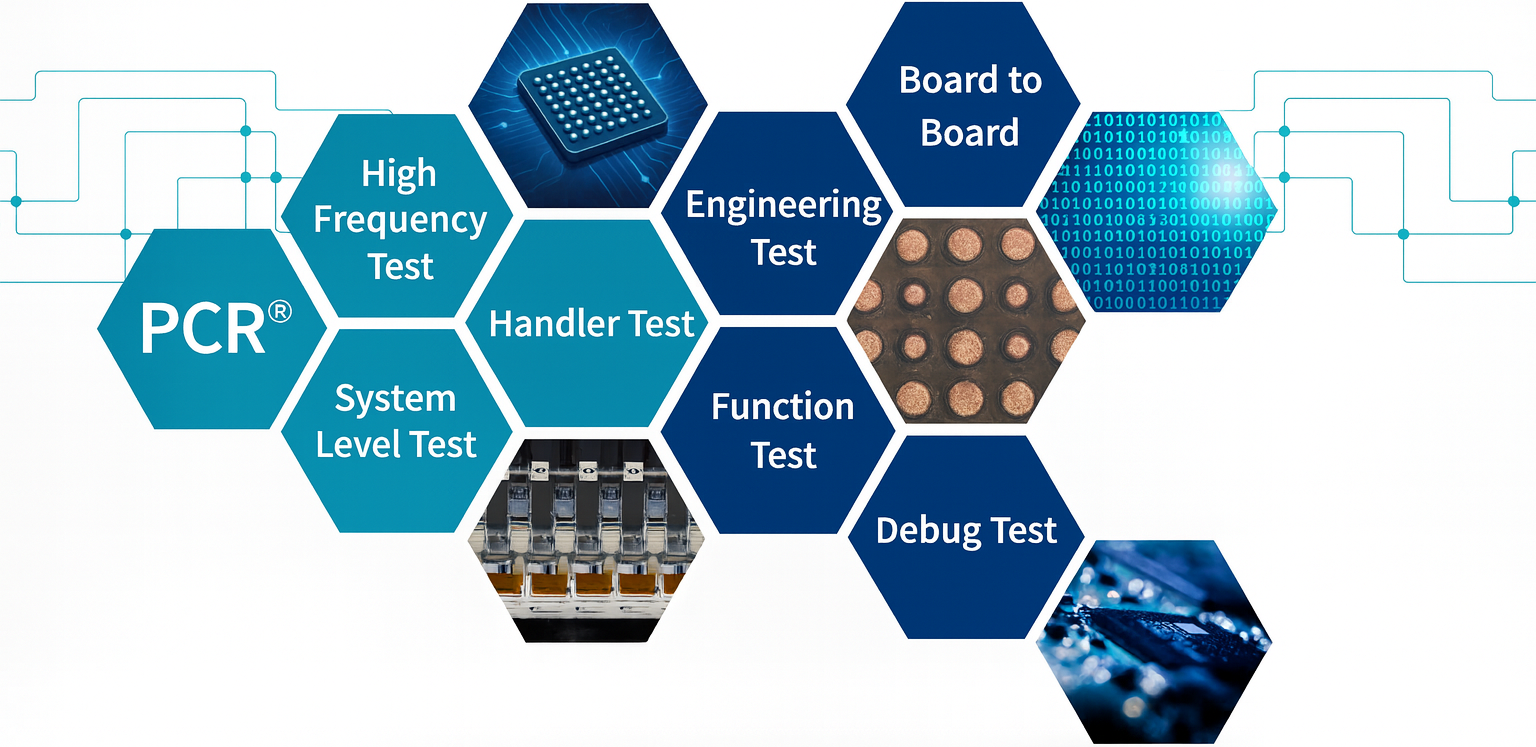
 | Final Test PCR® supports extensive customization for final testing in mass production processes. It offers clear advantages in cost efficiency and contact reliability, particularly for high-speed, high pin-count packages. |
 | System Level Test (SLT) System Level Testing verifies proper system operation under real application conditions by evaluating integrated system components. |
 | Debug Test Accurate defect analysis requires testing under conditions similar to actual mounting environments. With a short electrical path between the device and test board, PCR® enables testing under conditions close to real assembly. |
 | Board-to-Board Test Replacing conventional soldered interconnects with PCR® socket solutions reduces board damage and extends board lifetime. |


The Potential of PCR®
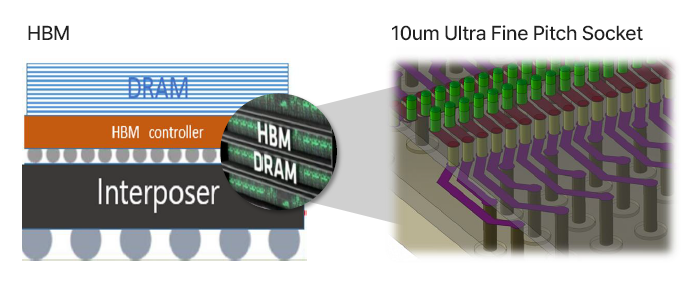
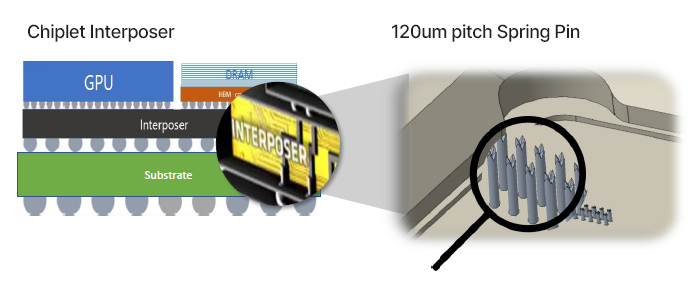
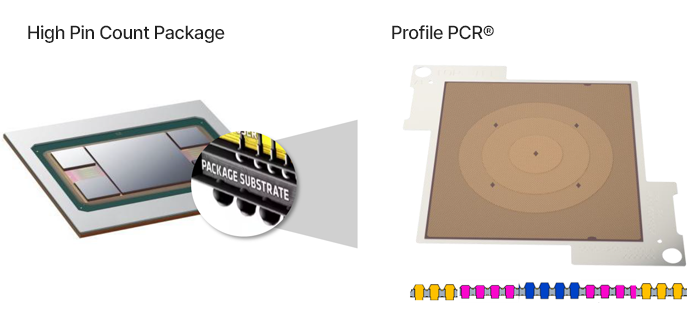
Built on a structure optimized for fine-pitch, high-frequency, and ultra–high pin-count testing, PCR® continues to expand into next-generation AI semiconductors, high-bandwidth memory, and advanced packaging applications.
In an increasingly complex semiconductor test environment, PCR® is positioned to become a core interface solution, delivering both high reliability and high-speed data transmission.

 | ADD 289-1, Yaenda,Hidaka-City, Saitama, 350-1236, Japan TEL +81-42-985-8855 I FAX +81-42-985-8860 Copyright ⓒ JMT INC. All rights reserved. Follow us: |